
Anca Pârvulescu (Project Leader)
Liselotte Dieckmann Professor in Comparative Literature at Washington University in St. Louis
Anca Parvulescu’s research and teaching interests include global modernism, literary and critical theory, literary comparatism, migration studies, and East Europe.
Anca Parvulescu is the author of three books: Laughter: Notes on a Passion (MIT Press, 2010); The Traffic in Women’s Work: East European Migration and the Making of Europe (University of Chicago Press, 2014); and, with Manuela Boatcă, Creolizing the Modern: Transylvania across Empires (Cornell University Press, 2022). Parvulescu’s articles have been published in PMLA, New Literary History, Critical Inquiry, Literature Compass, Interventions, Camera Obscura. Her work has been funded by the ACLS, the Huntington Library, the American Councils for International Education, the McDonnell Academy, and the Center for the Humanities at Washington University in St Louis. She has received the Outstanding Mentor Award and the Miriam Bailin Prize for Teaching.
Shu-mei Shih
Shu-mei Shih, Professor of Comparative Literature, Asian Languages and Cultures, and Asian American Studies, is the Irving and Jean Stone Chair in Humanities. She was the inaugural holder of the Edward W. Said Professorship in Comparative Literature (2019-2022) and the past President of the American Comparative Literature Association (2021-2022).
An elected fellow of the Hong Kong Academy of the Arts and the Humanities, she is also the recipient of a Yu-Shan Scholar Prize from Taiwan’s Ministry of Education (2022-2025) and a distinguished alumnae award from National Taiwan Normal University.
Among other works, her book, Visuality and Identity: Sinophone Articulations across the Pacific (2007), has been attributed as having inaugurated a new field of study called Sinophone Studies. Its Mandarin Chinese translation has gone into three printings (2013; 2015; 2018). Sinophone Studies: A Critical Reader (2013) is a textbook that she co-edited for the field. Her latest work in this field is Against Diaspora: Discourses on Sinophone Studies, a monograph published in Taiwan (2017; second printing, 2018). She is currently co-editing a new reader in Sinophone Studies entitled Sinophone Studies Across Disciplines, which is forthcoming from University of Columbia Press.

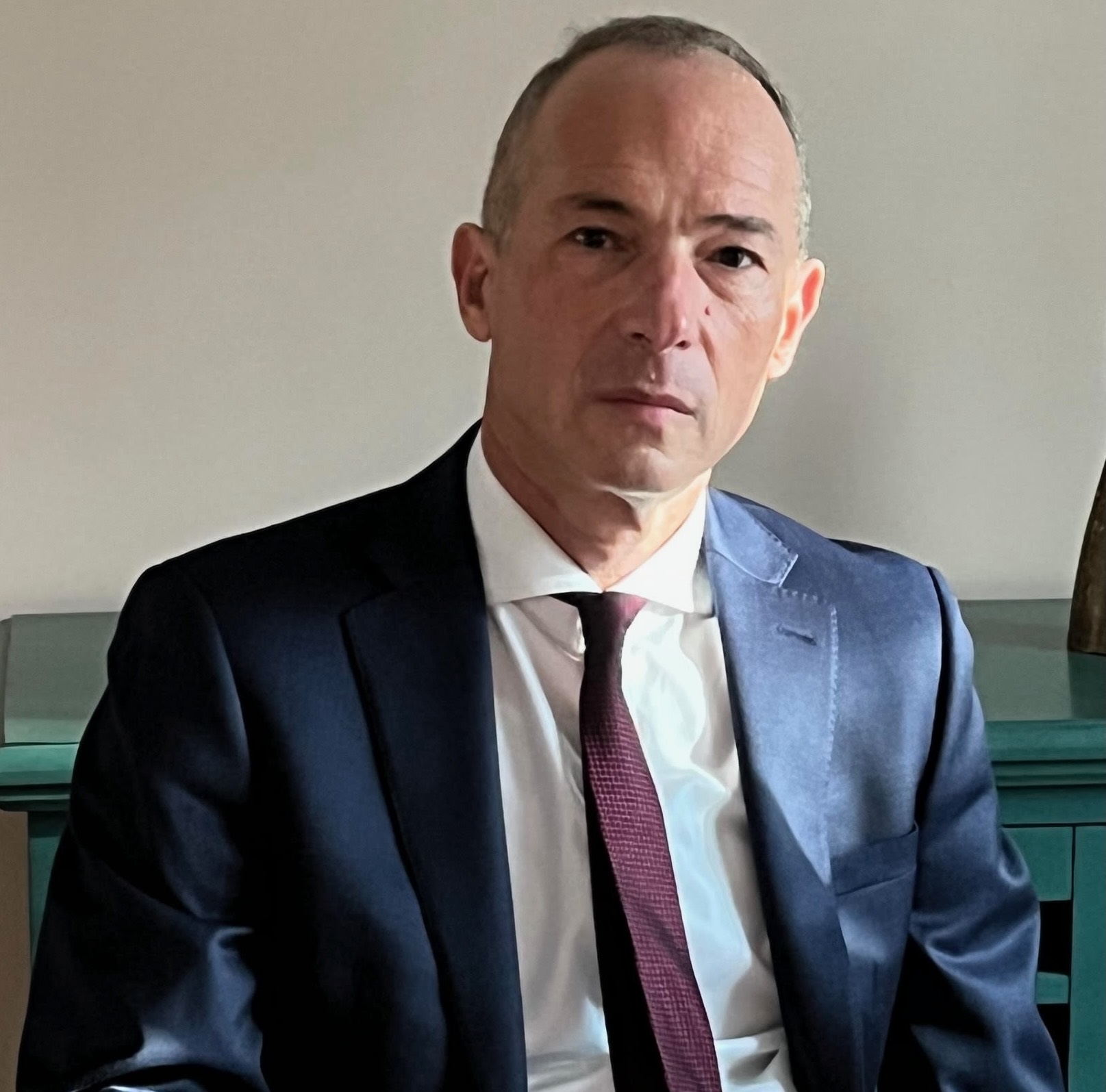
Christian Moraru
Christian Moraru is Class of 1949 Distinguished Professor in the Humanities and Professor of English at University of North Carolina, Greensboro. He specializes in contemporary American fiction, critical theory, and comparative literature with emphasis on international postmodernism and its post-Cold War developments and successors, as well as on the relations between globalism and culture across several national traditions in the modern era. His recent publications include monographs such as Cosmodernism: American Narrative, Late Globalization, and the New Cultural Imaginary (University of Michigan Press, 2011), Reading for the Planet: Toward a Geomethodology (University of Michigan Press, 2015), and Flat Aesthetics: Twenty-First-Century American Fiction and the Making of the Contemporary (Bloomsbury, 2023). He is the editor of Postcommunism, Postmodernism, and the Global Imagination (Columbia University Press / EEM Series, 2009) and the coeditor of The Planetary Turn: Relationality and Geoaesthetics in the Twenty-First Century (Northwestern University Press, 2015), Romanian Literature as World Literature (Bloomsbury, 2018), and The Bloomsbury Handbook of World Theory (Bloomsbury, 2022).
Manuela Boatcă
Manuela Boatcă is Professor of Sociology and Head of School of the Global Studies Programme at the University of Freiburg, Germany. She has a degree in English and German languages and literatures and a PhD in sociology. She was Visiting Professor at IUPERJ, Rio de Janeiro in 2007/08 and Professor of Sociology of Global Inequalities at the Latin American Institute of the Freie Universität Berlin from 2012 to 2015. She has published widely on world-systems analysis, decolonial perspectives on global inequalities, gender and citizenship in modernity/coloniality, and the geopolitics of knowledge in Eastern Europe, Latin America, and the Caribbean. In 2018 she was awarded an ACLS collaborative fellowship alongside literary scholar Anca Parvulescu (Washington University in St. Louis, USA), for a comparative project on inter-imperiality in Transylvania. The resulting co-authored book, titled “Creolizing the Modern. Transylvania Across Empires” is forthcoming in English, German, and Romanian in 2022.


Mihaela Ursa
Mihaela Ursa is Professor of comparative literature and Vice Dean of the Faculty of Letters, Babes-Bolyai University of Cluj-Napoca. Editor-in-chief of Metacritic Journal for Comparative Studies and Theory. Authored seven books in Romanian language on comparatism, critical theory, fictionality, gender studies, and erotic literature (latest – Identitate şi excentricitate: Comparatismul românesc între specific local şi globalizare [Identity and Ex-Centricity: Romanian Comparatism between Local and Global], 2013). Co-author of several collective volumes and of hundreds of articles, studies, reviews, essays published on cultural studies, literary theory and criticism, both as a cultural journalist and as an academic researcher. Among the latest: „Made in Translation: A National Poetics for the Transnational World” for Romanian Literature as World Literature, edited by M. Martin, Chr. Moraru, A. Terian, Bloomsbury, 2018; „Non-human Displacements: Narrative Remediations of Autobiography and Postmemory in Herta Müller’s Writing” for Women’s Narratives and the Postmemory of Displacement in Central and Eastern Europe, edited by S. Mitroiu, Palgrave, 2018.
Rareș Moldovan
Rareş Moldovan is Associate Professor of English at the Faculty of Letters, Babeş-Bolyai University in Cluj. His research interests include American literature, especially 20th century and contemporary fiction, cultural and literary theory, adaptation studies, and Samuel Beckett. He is the author of Symptomatologies, an analysis of the logic of legitimation in late modernity, and has published on American literature and film, literary theory, James Joyce and Samuel Beckett. His most recent published work is the new Romanian translation of James Joyce’s Ulysses. He has also translated works by Thomas Pynchon (Gravity’s Rainbow), Harold Bloom (The Anxiety of Influence), Chuck Palahniuk (Haunted), Michael Cunningham (Specimen Days, By nightfall), Hari Kunzru (Transmission).
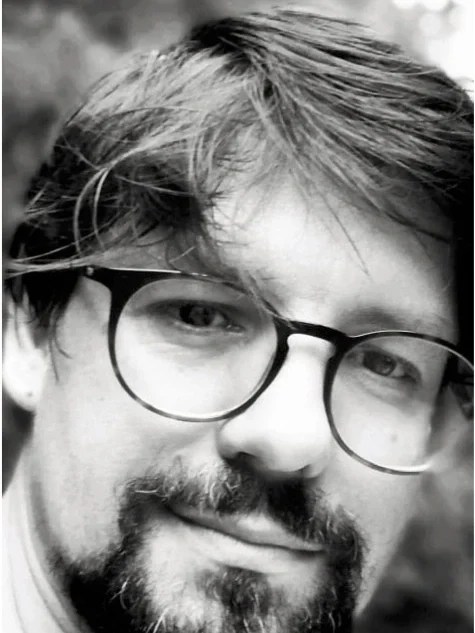

Levente Szabó
T. Szabó Levente (1977) is an Associate Professor of Hungarian and Comparative Literary Studies, director of the Doctoral School of Hungarian Studies at Babeș-Bolyai University. Author of serveral successful and award-winning books and articles on classical Hungarian literature, the beginnings of Hungarian modernism and the social history of nineteenth-century literary nation-building, he is specialized in the social history and political economy of classical Hungarian literature, literary sociology and the history of early comparative literature. Major publications include: Mikszáth, a kételkedő modern. Történelmi és társadalmi reprezentációk Mikszáth Kálmán prózapoétikájában [Mikszáth, the Sceptic Modern. Representing the Historical and the Social in the Prose of Kálmán Mikszáth], L’Harmattan–Magyar Irodalomtörténeti Társaság, Budapest, 2007.; A tér képei: tér, irodalom, társadalom [Constructing the National Space in Nineteenth-Century Hungarian Literary Nation-Building], KOMP-PRESS, Kolozsvár, 2008.; Narrating ’the People’ and ’Disciplining’ the Folk: the Constitution of the Hungarian Ethnographic Discipline and the Touristic Movements (1880-1900), Center for Advanced Study, Sofia, 2011. (CAS Working Paper Series 3/2011).
Claudiu Turcuș
Claudiu Turcuș is Associate Professor of Literary and Film studies and Vice-Dean of Research and Academic Infrastructure at Faculty of Theatre and Film. He obtained his PhD in Humanities (2011) at Babeș-Bolyai University after a fellowship research at Bard College, New York. His research interests are focused on East-Central European Literature, Cinema and Criticism. He published widely on topics such as the cultural memory of Socialism, the representation of Post-communist transition, intellectual history, or the ideology of New Romanian Cinema. His book, Norman Manea. Aesthetics as East Ethics (Frakfurt-New York: Peter Lang, 2016) is the very first monograph about life and oeuvre of this important Romanian-American writer, proposed twice for Nobel Prize. He co-authored (with Constantin Parvulescu) the chapter “Specters of Europe and Anti-communist Visual Rhetoric in the Romanian Film of the Early 1990s”, in Aga Skrodzka, Xiaoning Lu, and Katarzyna Marciniak, The Oxford Handbook of Communist Visual Cultures (Oxford University Press, 2019).


Alex Goldiș
Alex Goldiș is Associate Professor at the Faculty of Letters, Babeș-Bolyai University, Cluj-Napoca. He is a founder and chief co-editor of Metacritic Journal for Comparative Studies and Theory. He was the director of the grant The Role of the Translated Novel in the Romanian Literary System. A Quantitative Approach (2020-2022). He authored the volumes Critica în tranșee. De la realismul socialist la autonomia esteticului [Criticism in the Trenches. From Socialist Realism to the Autonomy of the Aesthetic] (Cartea Românească, București, 2011), Sincronizarea criticii românești postbelice în deceniile opt și nouă – teorii, metode, critici [The Synchronization of Postwar Romanian Criticism in the 1970s and 1980s – Theories, Methods, Critics] (Muzeul Literaturii Române, București, 2013), and, as co-editor with Ștefan Baghiu, the volume Translations and Semi-peripheral Cultures. Worlding the Romanian Novel in the Modern Literary System (Peter Lang Publishing, Berlin,2022). He published several studies in collective volumes and academic journals, among which „Between Transnationalism and Nation Building: Literary History as Geolocation”, in M. Martin, C. Moraru, A. Terian, Romanian Literature as World Literature, New York, Bloomsbury Academic, 2018.
Adriana Stan
Adriana Stan is Assistant Professor of Comparative Literature at the Babeș-Bolyai University of Cluj-Napoca. She specializes in the history of critical ideas and of literary ideologies, and the history of Central and Eastern European literatures. Her recent work deals with interwar modernism, postmodernism, anticommunism, the evolution of the novel in (semi)peripheral literatures, post-communist literature. She authored the volumes Posteritatea lui Tudor Vianu. Alternativele criticii românești postbelice [Tudor Vianu’s Posterity. The Alternatives of Postwar Romanian Criticism] (2015) and Bastionul lingvistic. O istorie comparată a structuralismului în România [The Linguistic Bastion. A Comparative History of Structuralism in Romania] (2017). Among the studies she recently published, are “Fictionality Unbound. Cold War Anti-Politics and Theories of the Narrative across the Iron Curtain”, in Beyond the Iron Curtain. Revising the Literary System of Communist Romania (Peter Lang, 2021): 215-235; “Digicriticism. Profession On(the)line”, in Theory in the “Post” Era. A Vocabulary for the 21st Century Conceptual Commons (Bloomsbury, 2022); Post-Socialist Realism. Authenticity and Political Conscience in the Romanian Literature of the 2000s, in „Critique: Studies in Contemporary Fiction”, 64, no. 1 (2023): 73-84.

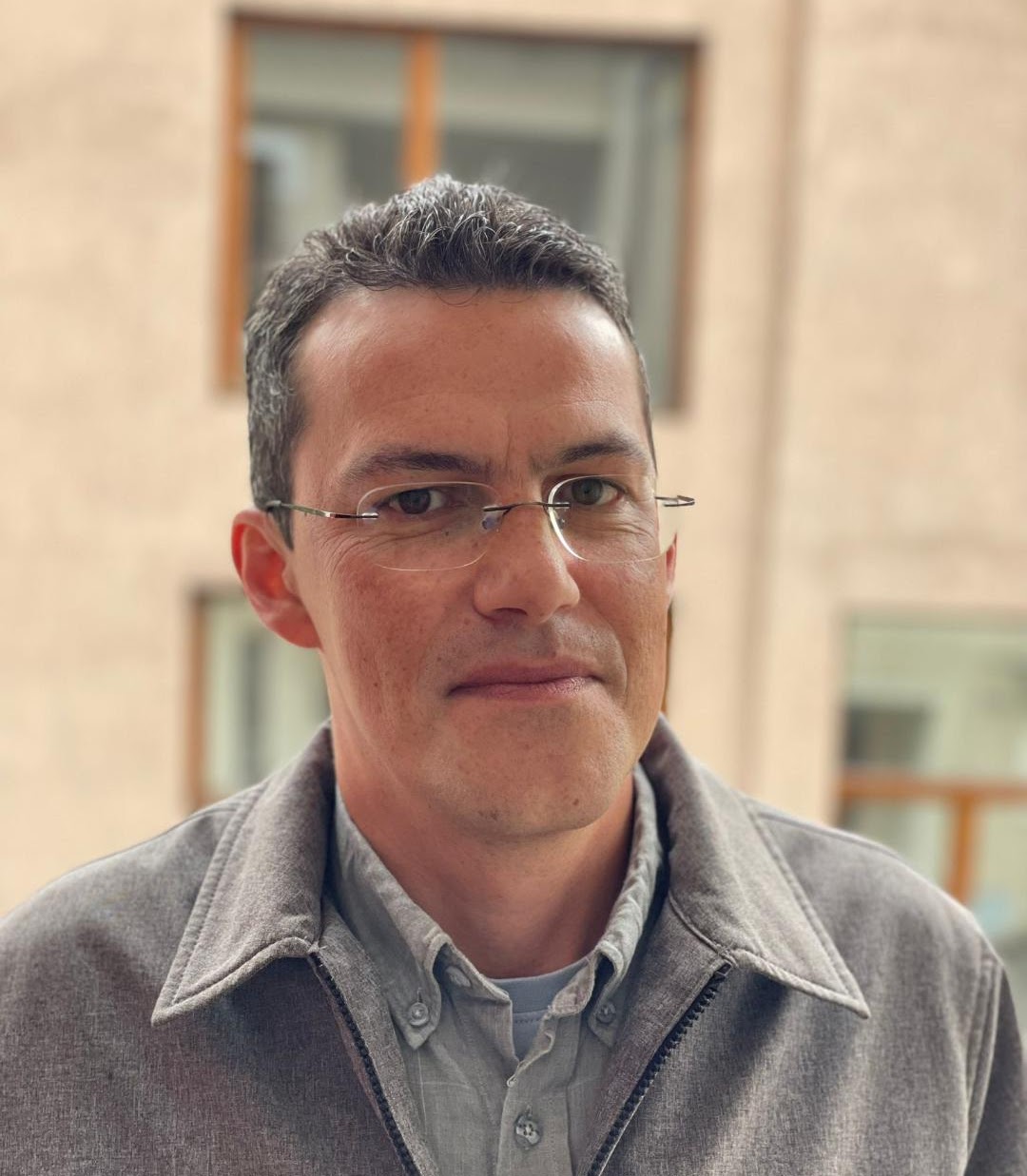
Cosmin Borza
Cosmin Borza works as a Researcher at the ”Sextil Pușcariu” Institute of Linguistics and Literary History, Romanian Academy, Cluj-Napoca. He authored two books of literary criticism (Marin Sorescu. Singur printre canonici [Marin Sorescu. Alone among Canonical Writers] – 2014, and Dezbaterea canonică astăzi. Cazul literaturii române postbelice [The Canonical Debate Today. The Case of Postwar Romanian Literature] – 2016). He also contributed to important lexicographic projects of the Romanian Academy, the volumes Dicționarul general al literaturii române [The General Dictionary of Romanian Literature], second edition (2016-2021), and Dicționarul cronologic al romanului românesc de la origini până în 2000 [The Chronological Dictionary of the Romanian Novel from Origins to 2000], revised and abridged (2023). His main areas of research are: the rural novel, the subgenres of the Romanian novels, the relations between literature and ideology, postcommunist literature. Among his recent articles are (with Daiana Gârdan and Emanuel Modoc) The Peasant and the Nation Plot: A Distant Reading of the Romanian Rural Novel from the First Half of the Twentieth Century, in “Rural History: Economy, Society, Culture”, vol. 34, no. 1, 2023: 75–91; “Post-canonicity: Curating World Literary Archives after Postmodernism”, in Theory in the “Post” Era: A Vocabulary for the 21st-Century Conceptual Commons (Bloomsbury Academic, 2021): 303–321.
Gianina Druță
Gianina Druță, born in 1992, is an associate professor of drama and theatre at the Faculty of Education and International Studies, Oslo Metropolitan University, Norway. She took her PhD with a thesis on Ibsen’s early performance history in the Romanian theatre. She graduated from the Faculty of Letters, Babeș-Bolyai University, and has a BA-degree in Norwegian and Italian language and literature, and a MA-degree in comparative literature on the History of Images – History of Ideas. Since 2015 she has been responsible for the Romanian dataset in the performance database IbsenStage. Her research activity focuses on Scandinavian literature, theatre studies and Digital Humanities.
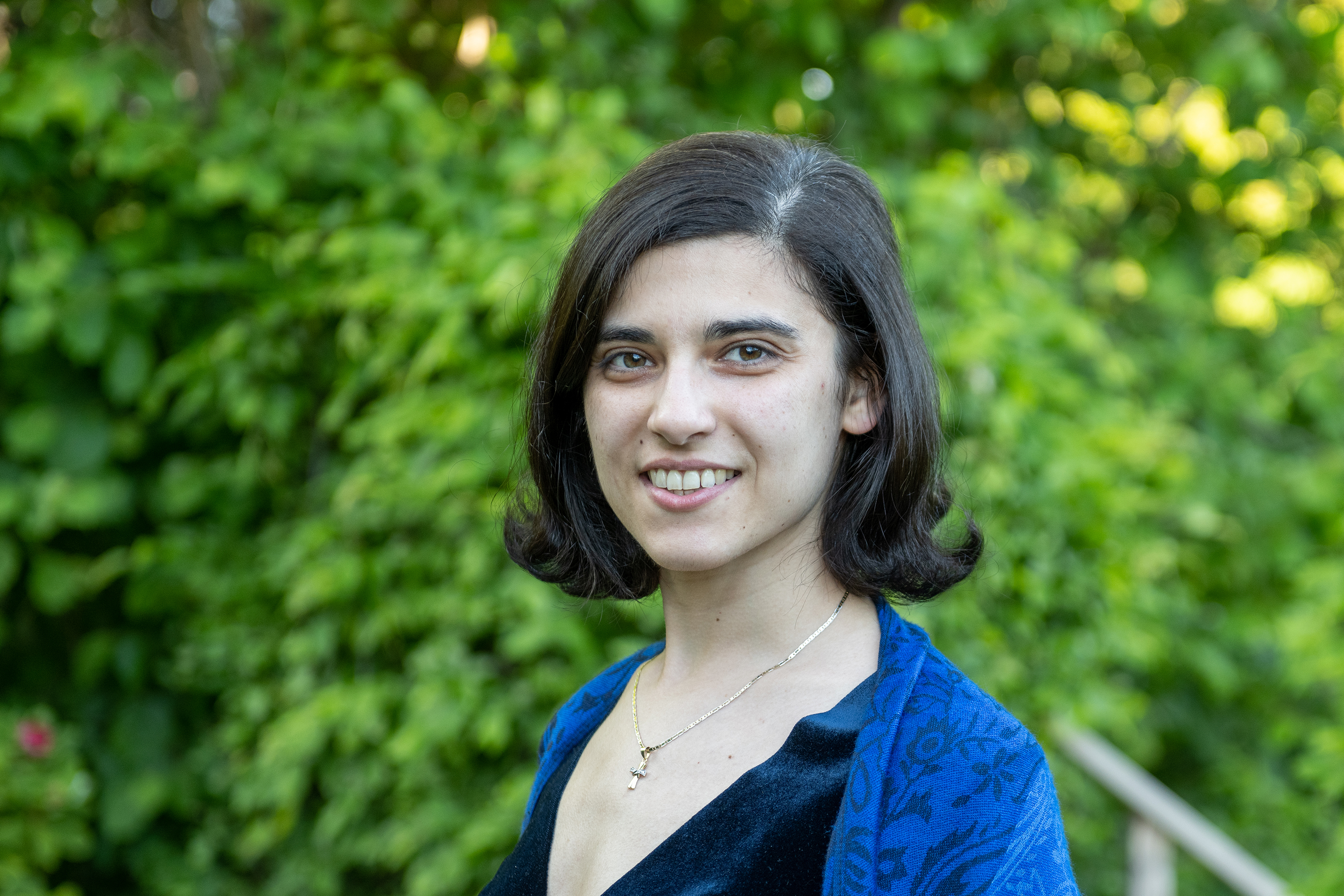

Emanuel Modoc
Emanuel Modoc is Assistant Professor at the Babeș-Bolyai University, Faculty of Letters. He obtained his PhD at the Department of Comparative and Universal Literature within the Faculty of Letters, Babeș-Bolyai University, Cluj-Napoca, with a thesis on the networks of East-Central European avant-gardes. He is an Assistant Editor for the “Metacritic Journal for Comparative Studies and Theory” and a Research Assistant at the “Sextil Pușcariu” Institute of Linguistics and Literary History”, part of the Cluj-Napoca Branch of the Romanian Academy. He authored the volume Internaționala periferiilor. Rețeaua avangardelor din Europa Centrală și de Est/ The International of Peripheries. Avant-Garde Networks of East-Central Europe (Muzeul Literaturii Române, 2020) and edited the writings of Surrealist poet Paul Păun (Muzeul Literaturii Române, 2020).
Maria Mădălina Irimia
Maria Mădălina Irimia has a PhD in history at Alexandru Ioan Cuza University of Iași, with a thesis entitled Jewish Intellectuals in Jasy in the second part of the XIXth century and the beginning of the XXth: Elias, Moses and Wilhelm Schwarzfeld. “Max and Cecil Chesin (Steuer)” fellow at the Joint Distribution Committee Archive in New York. She is the head of Archival Office at the Federation of the Jewish Communities in Romania and a researcher at the Wilhelm Filderman Center for the Study of the History of the Jews in Romania. Her research interests include: Jewish intellectual and social life, Jewish societal modernization, antisemitism and anti-Jewish violence, Jewish emigration to the US and Canada.

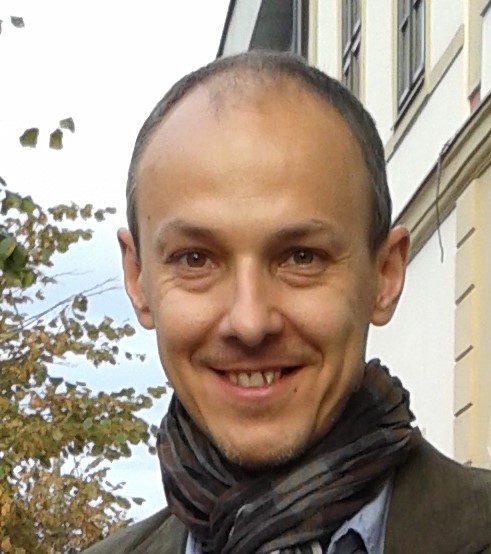
Mircea Minică
Mircea Minică is a lexicographer at the Institute of Linguistics and Literary History “Sextil Pușcariu” of the Romanian Academy – Cluj-Napoca Branch. He published Semantica relației în limba română (2018) and a series of articles on lexicography and the grammar of Romanian. He is co-author of: Dicționarul limbii române (DLR), letters L (2008), J, K, Q (2010); Școala Ardeleană (2018, coord. E. Pavel), and contributed to: Dicționarul etimologic al limbii române (DELR), vol. I. A-B (2011). Areas of interest: relational semantics, lexicography, philosophy of language.
Teona Farmatu
Teona Farmatu is a PhD student in the Department of Universal and Comparative Literature of the Faculty of Letters at Babeș-Bolyai University, Cluj-Napoca, with a thesis on modern French poetry in the Romanian literary field at the end of the 19th century. She graduated Romanian Language and Literature-French Language and Literature in the same institution, where she followed a master’s degree in Romanian Literary Studies. During her master’s studies, she got one-semester Erasmus scholarship at the University of Poitiers (France). She was twice a fellow of the STAR-UBB Institute for Advanced Studies in Science and Technology. She was part of the Digital Museum of the Romanian Novel project, conducted by Astra Museum Complex in Sibiu. Her main research interests are literary sociology, poetry and the evolution of the poetic genre, modernism and modernity, feminism and gender studies.

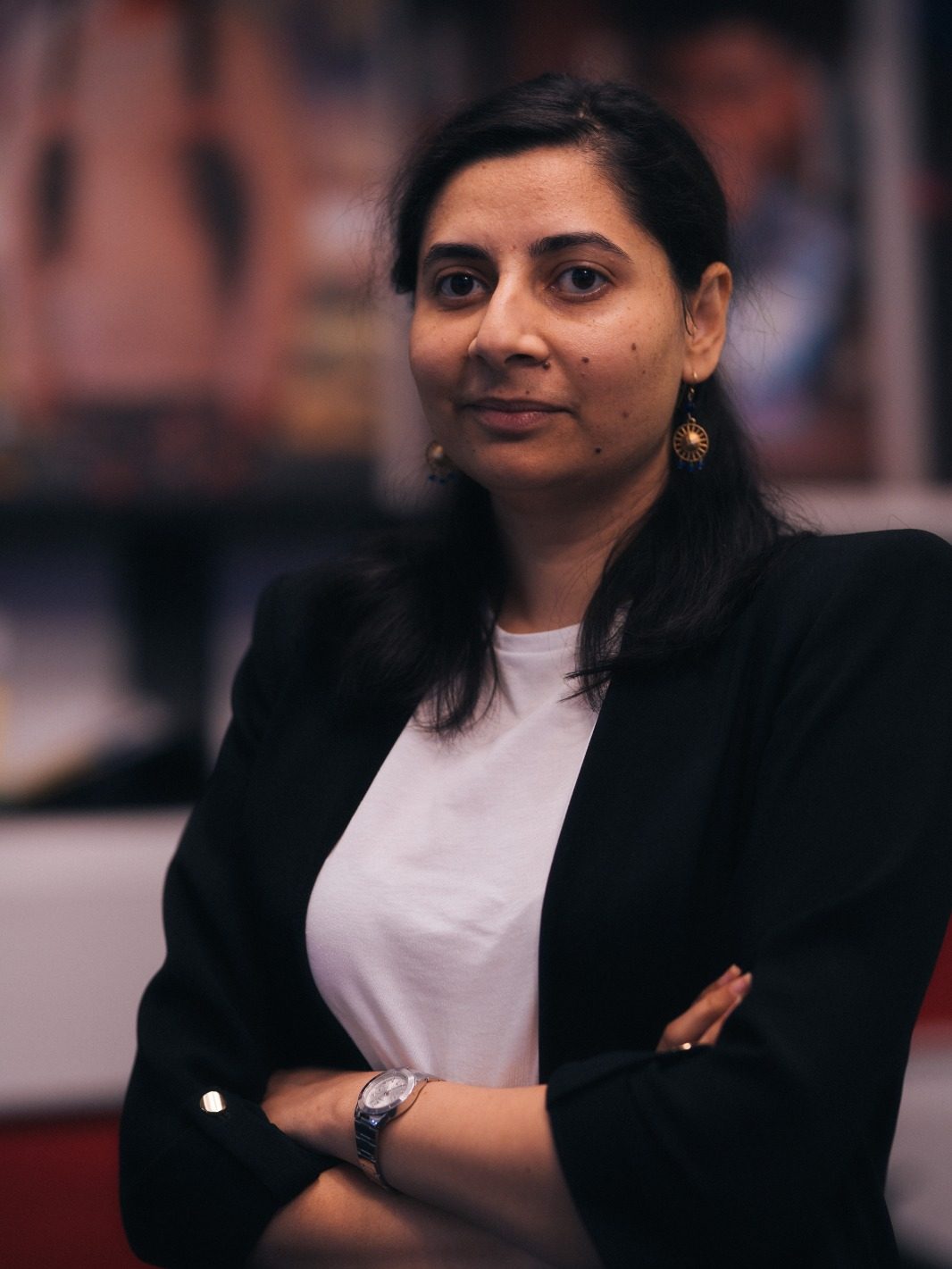
Luiza Medeleanu
Luiza Medeleanu graduated from the Faculty of Philosophy and the Faculty of Foreign Languages and Literatures, the Rromani-English section, a Master’s in Philosophy at the University of Bucharest and one in Anthropology at SNSPA. He is currently pursuing an European Ph.D in Cultural Studies at the Center for Excellence in Image Studies (CESI), Faculty of Letters, University of Bucharest, in collaboration with the Central European University (CEU) and L’École des hautes études en sciences sociales ( EHESS), Paris. Her doctoral thesis deals with the image of Roma in soap operas. He is an associate university assistant at the Faculty of Foreign Languages and Literatures, University of Bucharest, Rromani section, where he teaches Romani Culture and Literature, and an educational expert at the Roma Education Fund, where he develops intercultural activities for students, parents and teachers.
Mihnea Bâlici
Mihnea Bâlici is a PhD candidate with the Faculty of Letters’ Department of Romanian Literature and Literary Theory at Babeș-Bolyai University, Cluj-Napoca, where he had also completed his Bachelor’s and Master’s degrees. He is currently working on a thesis about the literary representation of labour migration in the Romanian post-Communist novel. However, his research interests encompass different domains, such as Marxism, world-systems analysis, quantitative studies, ideological narratology and the sociological reading of Romanian modern and contemporary literature. His most recent submissions are “The Unhappy Marriage of Care and the Global Market: «Soft Backsliding» in the Narratives of Two Romanian Badanti” in Metacritic Journal for Comparative Studies and Theory and “«Forced Cosmopolitanism»: On The Contradictory Character of Labour Migration in Contemporary Romanian Fiction” in the collective volume Romanian Literary Networks Outside National Framings: A Case Study for Peripheralized Cosmopolitanisms, edited by Alex Goldiș and Mihaela Ursa (Peter Lang, 2024), both accepted for publication during 2024. He is a research assistant within the international team of the research project “Philosophy in Late Socialism: Theoretical Practices in the Face of Polycrisis” (PNRR-C9-I8-CF104/15.11.2022), as well as in the more recent project “A Global History of Romanian Comparatism: A Case Study in Inter-Imperial Comparative Literature” (PNRR-III-C9-2023-I8- CF 22/27.07.2023), both presently ongoing at Babeș-Bolyai University.

 A Global History of Romanian Comparatism